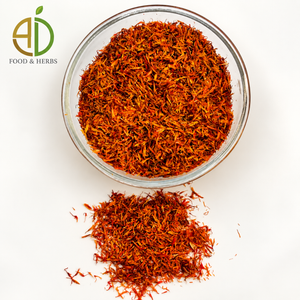
Uses and Benefits of Dried Safflower Petals: Saffron Substitute, Natural Dye & More

Dried safflower petals or Indian kusum are one of the most confused flowers in the herbal world, largely because dried safflower petals turn a deep red and closely resemble real saffron threads. This guide covers what safflower petals actually are, how they differ from true saffron, their most common uses (tea, natural dye, cooking colour), and what to know before using them.
What Are Dried Safflower Petals?
Safflower (Carthamus tinctorius) is a thistle-like plant grown for its petals, which turn from yellow-orange to a deep red as they dry. Those dried petals are rich in natural pigments carthamin (red) and safflower yellow which is why they've been used for centuries as a natural dye for textiles, food, and cosmetics.
Safflower petals are not the same plant as saffron (Crocus sativus), even though the dried petals look similar and are sometimes sold as a budget substitute. We cover the difference in detail below.
Not all dried flowers sold online are food-grade — for tea, cooking, or drinks, always choose food-grade, pesticide-free safflower petals, like the ones processed at A D Food & Herbs.

Safflower is one of several food-grade dried flowers in our range — alongside rose, hibiscus, blue cornflower, jasmine, chamomile, calendula, lavender, saffron, marigold, and butterfly pea flower — each processed and packed to the same food-safety standard. Browse our full Dried Flowers collection to see all of them.
Uses and Benefits of Dried Safflower Petals
A Traditional Saffron-Colour Substitute
Because dried safflower petals turn a similar red to saffron threads, they've long been used in Indian and Middle Eastern kitchens as a cheaper way to add colour to rice dishes, biryani, and desserts though the flavour is milder and more neutral than true saffron.
A Natural Food Colouring and Dye
Safflower's carthamin and safflower yellow pigments make it a popular natural colourant used in food, cosmetics, and historically as a fabric dye. Safflower Powder is the easiest form to work with for colouring batters, doughs, and liquids evenly.
Used to Make Safflower Tea
Steeped in hot water, dried safflower petals make a mild, earthy herbal tea with a golden-red colour naturally caffeine-free and suitable any time of day.
Used in Cooking
Beyond colouring rice and biryani, safflower petals are used to tint and flavour soups, stews, and desserts, and are sometimes added whole as a garnish for visual appeal.

A Traditional Textile and Craft Dye
Long before synthetic dyes existed, safflower petals were a primary source of red and yellow dye for fabric — a use that continues today in natural dyeing and craft projects.
A Traditional Ingredient in Cosmetics
Safflower petal extracts are used in some natural skincare and cosmetic products, valued for their pigment and traditional use in topical preparations.
Contains Naturally Occurring Plant Compounds
Dried safflower petals naturally contain carthamin and flavonoid compounds — the same pigments responsible for their colour and part of why they're of interest in herbal traditions.
Safflower vs. Saffron: What's the Difference?
| Feature | Safflower Petals | Saffron |
|---|---|---|
| Plant | Carthamus tinctorius (a thistle) | Crocus sativus (a crocus flower) |
| Part used | Dried petals | Dried stigmas (threads) |
| Flavor | Mild, neutral, slightly earthy | Distinct, floral, slightly bitter |
| Colour given to food | Reddish-yellow | Golden yellow |
| Price | Inexpensive | One of the most expensive spices in the world |
Safflower is sometimes sold or used as a cheaper stand-in for saffron's colour, but the two come from entirely different plants and don't taste the same — safflower lacks saffron's distinctive flavour and aroma.

How to Brew Safflower Tea
Ingredients
- 1 teaspoon dried safflower petals
- 1 cup hot water (just short of boiling)
Method
- Heat water until just short of a boil.
- Add the dried petals.
- Steep for 5–7 minutes.
- Strain and drink warm, or cool and serve over ice.
For cooking, soak a pinch of petals in a tablespoon of warm water or milk for 10–15 minutes to draw out the colour before adding to rice or other dishes.

A Few Things Worth Knowing
- Safflower belongs to the same plant family as ragweed and daisies — people with allergies to these plants should be cautious.
- If you're pregnant or breastfeeding, check with a doctor before making safflower tea a regular habit.
- If you take regular prescription medication, check with a doctor or pharmacist before drinking any herbal tea regularly, since herbal ingredients can sometimes interact with medications.
- For skincare use, patch-test on a small area first, especially if you have sensitive skin.
- This article is general information, not medical advice, and isn't a substitute for guidance from a healthcare professional about your own health.
Frequently Asked Questions
Is safflower the same as saffron?
No — they come from entirely different plants. Safflower petals come from a thistle-like plant, while saffron comes from the stigmas of a crocus flower. Safflower is sometimes used as a cheaper way to add colour, but it doesn't replicate saffron's flavour.
Can dried safflower petals be used as a food colouring?
Yes — they're a popular natural way to add a reddish-yellow colour to rice, desserts, and other dishes.
What's the difference between safflower petals and safflower powder?
Whole petals suit tea, garnishing, and infusions; safflower powder blends more evenly into batters, doughs, and liquids for colouring.
Does safflower tea have caffeine?
No. It's naturally caffeine-free, suitable any time of day.
How much safflower should I use?
For tea, about 1 teaspoon per cup. For colouring rice or desserts, start with a small pinch soaked in warm water or milk, and add more for a deeper colour. A little goes a long way.
Can safflower petals be used for dyeing fabric?
Yes — safflower has a long history as a natural textile dye, producing both red and yellow shades depending on how it's processed.
How should I store dried safflower petals?
Keep them in an airtight container, away from direct sunlight and moisture, in a cool, dry place.
How long do dried safflower petals last?
Stored properly, they typically keep their colour and quality for 6–12 months.
Is safflower safe for daily use?
Most people can enjoy it regularly as a herbal tea, but check with a doctor first if you're pregnant, breastfeeding, on regular medication, or allergic to ragweed or related plants.
Choosing Quality Dried Safflower Petals
A few things separate good dried safflower petals from average ones:
- Food-grade sourcing — grown and processed specifically for consumption, not just dye or decoration
- Proper drying — evenly dried to preserve colour and pigment strength
- Clean processing — free from dust, pesticide residue, and contamination
- Appropriate packaging — sealed to protect against moisture and light, which fade the petals' natural colour over time
A D Food & Herbs supplies food-grade dried safflower petals and safflower powder, sourced and processed for tea, cooking, and natural dye use.
Looking for Quality Dried Safflower Petals?
Whether you're shopping for your own kitchen or sourcing for your business, explore our food-grade safflower petals and powder — or get in touch for bulk and private label requirements.
Read More
If you'd like to explore other dried flowers, take a look at our guides on dried rose petals and butterfly pea flower.