Dried Calendula Petals: Uses, Tea, Skincare & More

Dried calendula petals (Calendula officinalis), also called pot marigold are a versatile, food-grade botanical with traditional uses in tea, skincare, cooking, natural dye, and crafts. Calendula is often confused with true marigold (the ornamental Tagetes flower), even though the two are different plants. This guide covers what dried calendula petals are, how they differ from marigold and from true saffron, their common uses, and what to know before trying them.
What Are Dried Calendula Petals?
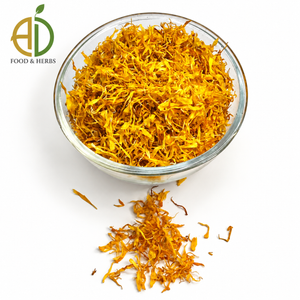
Calendula (Calendula officinalis) is a golden-orange flower in the daisy family, traditionally known as pot marigold. Its dried petals are a staple in natural skincare and herbal tea, valued for their colour and gentle character.

Not all dried flowers sold online are food-grade — for tea, cooking, or skincare, always choose food-grade, pesticide-free calendula petals, like the ones processed at A D Food & Herbs, which also supplies marigold tea cuts and other dried flowers.
Calendula vs. Marigold: What's the Difference?
| Feature | Calendula (Pot Marigold) | Marigold (Tagetes) |
|---|---|---|
| Plant | Calendula officinalis (daisy family) | Tagetes species (also daisy family, different genus) |
| Petal shape | Flat, daisy-like petals | Fuller, more ruffled, spherical blooms |
| Common uses | Tea, skincare, soap, culinary garnish | Tea, decorative use, traditional dyes |
| Traditional reputation | Widely used in skincare and topical preparations | More often grown ornamentally or used decoratively |
Both flowers are sometimes called "marigold," which is where the confusion comes from. "Pot marigold" is simply a common name for calendula — it is not the same plant as true Tagetes marigolds, and it's calendula specifically that's associated with the skincare and topical uses this flower is best known for.

What Do Dried Calendula Petals Taste Like?
Calendula has a mild, herbal flavour with slightly bitter or peppery notes. While it can be used as a traditional alternative to saffron for colour, its flavour and aroma are different from true saffron. Because the flavour is subtle, calendula is used at least as much for its colour and visual appeal as for taste.
Can Calendula Petals Be Used as a Saffron Substitute?
Calendula has traditionally been used as an inexpensive alternative to saffron, particularly for adding yellow-golden colour to foods such as rice and desserts. Calendula is not the same as true saffron, which comes from Crocus sativus. Calendula can contribute colour and its own mild flavour, but it does not reproduce saffron's distinctive aroma and flavour.
Why Is Calendula Sometimes Called "Poor Man's Saffron"?
Calendula officinalis is sometimes called "poor man's saffron" because its bright petals have traditionally been used as an affordable alternative to saffron, particularly for adding yellow-golden colour to food. It's worth noting that "poor man's saffron" is also used to describe other saffron substitutes, including safflower, so the nickname isn't unique to calendula.
Dried Calendula Petals for Skincare
Calendula petals are a popular botanical in natural skincare — commonly infused into carrier oils to make a base for salves, balms, and creams, and used in soaps, bath products, and cosmetic formulations. Calendula Powder works well for face masks and finer skincare preparations. Calendula is traditionally valued for its gentle, soothing character on the skin, though as with any botanical, individual results and suitability can vary.
Are Dried Calendula Petals Edible?
Yes, food-grade dried calendula petals are edible and are commonly used for garnishing salads, soups, and rice dishes, blending into herbal tea mixes, and adding colour to desserts and other dishes. As with any dried flower, only petals specifically processed as food-grade should be used for eating or drinking — decorative or craft-grade petals are not the same product.
Dried Calendula Petals as a Natural Dye
Calendula petals can be used to create yellow and golden dye tones for fabric and are also used as a natural colourant in soaps and cosmetic formulations. Their bright petals also make them popular for potpourri, decorative sachets and craft projects.

How to Make Calendula Tea
Ingredients
- 1–2 teaspoons dried calendula petals
- 1 cup hot water (just short of boiling)
Method
- Heat water until just short of a boil.
- Add the dried petals.
- Cover and steep for 5–10 minutes, then strain.
- Drink warm, or cool and serve over ice.
For skincare, infuse dried petals in a carrier oil (like olive or sweet almond oil) over low heat or over several days, then strain to make a calendula-infused oil base for balms and salves.

How to Store Dried Calendula Petals
Keep dried calendula petals in a cool, dry place, away from direct sunlight, and protected from moisture. Store them in a tightly sealed, airtight container to preserve their colour and quality for as long as possible.
A Few Things Worth Knowing
- Calendula belongs to the daisy (Asteraceae) family — people allergic to ragweed, chrysanthemums, or related plants should be cautious.
- If you're pregnant or breastfeeding, check with a doctor before making calendula tea a regular habit.
- If you take regular prescription medication, check with a doctor or pharmacist before drinking any herbal tea regularly, since herbal ingredients can sometimes interact with medications.
- For skincare use, patch-test on a small area first, especially if you have sensitive skin, and ask a doctor before applying to open wounds or broken skin.
- This article is general information, not medical advice, and isn't a substitute for guidance from a healthcare professional about your own health.
Frequently Asked Questions
What are dried calendula petals?
Dried calendula petals come from Calendula officinalis, also known as pot marigold, and are used in tea, skincare, cooking, natural dye, and crafts.
What are dried calendula petals used for?
Common uses include herbal tea, skincare infusions and soaps, natural yellow dye, culinary garnishing, and potpourri or craft projects.
Can you make tea with dried calendula petals?
Yes — steeped in hot water for 5–10 minutes, they make a mild, golden herbal tea.
What do calendula petals taste like?
Calendula has a mild, herbal flavour with slightly bitter or peppery notes, and is used as much for colour as for taste.
Are dried calendula petals edible?
Yes, food-grade calendula petals are edible and commonly used as a culinary garnish and colouring. Only food-grade petals should be consumed.
Is calendula the same as marigold?
Not quite calendula (pot marigold) and true marigold (Tagetes) are different plants that share the "marigold" nickname.
Can calendula petals be used as a saffron substitute?
Calendula has traditionally been used as an inexpensive way to add yellow-golden colour to food, but it doesn't reproduce saffron's distinctive aroma and flavour, since the two come from entirely different plants.
Why is calendula called "poor man's saffron"?
Because it has traditionally been used as an affordable alternative to saffron for colouring food though the same nickname is also used for other saffron substitutes, like safflower.
Can calendula petals be used for skincare?
Yes calendula is a common ingredient in infused oils, salves, soaps, and other skincare and cosmetic preparations.
Can calendula petals be used as a natural dye?
Yes they're traditionally used to create yellow and golden dye tones for fabric and as a natural colourant in cosmetics and soap.
How should dried calendula petals be stored?
In a cool, dry place, away from direct sunlight and moisture, in a tightly sealed, airtight container.
Choosing Quality Dried Calendula Petals
A few things separate good dried calendula petals from average ones:
- Correct botanical identity — genuine Calendula officinalis, not a different "marigold" species
- Clean petals with good colour — a dull or faded colour usually means poor storage or age
- Proper drying — evenly dried with no excessive dust or foreign matter
- Food or cosmetic grade sourcing — processed appropriately for your intended use, whether consumption or skincare
- Suitable packaging — sealed to protect against moisture and light, which fade the petals' natural colour over time
A D Food & Herbs supplies food-grade dried calendula petals and calendula powder, sourced and processed for tea, skincare, and craft use.
Looking for Quality Dried Calendula Petals?
Whether you're shopping for your own kitchen and skincare routine or sourcing for your business, explore our food-grade calendula petals and powder — or get in touch for bulk and private label requirements.
Read More
If you'd like to explore other dried flowers, take a look at our guides on dried rose petals, butterfly pea flower, and dried safflower petals.