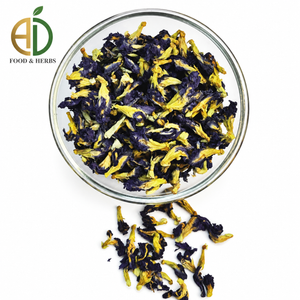
Butterfly Pea Flower Benefits & Uses | Blue Tea & Natural Colouring

Butterfly pea flower — widely known as "blue tea" — is a naturally caffeine-free herbal tea and one of the most searched dried flowers in the country. Butterfly pea tea is famous for shifting from vivid blue to purple or pink right in front of you, with nothing artificial added, and the dried flower is also used as a natural blue food colouring. This guide covers what butterfly pea flower is, its most common uses and benefits, how to brew butterfly pea flower tea (including the colour-changing trick), and what to know before trying it.
What Is Butterfly Pea Flower?
Butterfly pea flower (Clitoria ternatea), also called blue pea flower, is a vividly blue flower, native to Southeast Asia and widely grown across parts of India, that's dried and used to make butterfly pea tea and a natural blue food colourant. In Ayurveda it's sometimes known as Aparajita.

Not all dried flowers sold online are food-grade — for tea, drinks, or cooking, always choose food-grade, pesticide-free butterfly pea flower, like the ones processed at A D Food & Herbs.
Butterfly pea is one of several food-grade dried flowers in our range — alongside rose, hibiscus, blue cornflower, jasmine, chamomile, calendula, lavender, saffron, marigold, and safflower — each processed and packed to the same food-safety standard. Browse our full Dried Flowers collection to see all of them.
Butterfly Pea Flower Benefits and Uses
A Naturally Caffeine-Free Blue Tea
Steeped in hot water, dried butterfly pea flower makes a naturally vivid blue tea with no caffeine at all — suitable any time of day. Our Butterfly Blue Pea Tea Cuts are cut specifically for easy steeping.
Why Does Butterfly Pea Tea Change Colour?
The single most searched-for thing about this flower: add a splash of something acidic — lemon juice is the classic choice — and butterfly pea tea shifts from deep blue to purple, then pink. It's a completely natural reaction to the flower's pigments (anthocyanins) responding to pH, not a dye or additive.

A Natural Blue Food Colouring
Because of its strong, stable pigment, butterfly pea is a popular choice for natural blue food colouring — used in rice dishes, desserts, and drinks in place of artificial dyes. Butterfly Pea Powder is the easiest form of butterfly pea natural food colouring, since it blends smoothly into batters and liquids.

Used in Mocktails and Wellness Drinks
Bartenders and home mixologists use butterfly pea flower tea for its colour-changing effect in mocktails and cocktails — a lemonade or soda turns a striking blue-to-purple gradient with almost no effort.

A Blue Latte Ingredient
Whisked into warm milk (dairy or plant-based), Butterfly Pea Powder makes a naturally blue latte — a popular, Instagram-friendly alternative to matcha or turmeric lattes.

A Traditional Ingredient in Skincare
Butterfly pea extract is a traditional ingredient in homemade face masks and hair rinses, valued in South and Southeast Asian beauty traditions for its gentle character.
Natural Dye and Craft Projects
Its strong blue pigment also makes butterfly pea popular for natural fabric dyeing, soap-making, and other craft projects where an artificial dye isn't wanted.
Contains Naturally Occurring Plant Compounds
Butterfly pea flower naturally contains anthocyanins — the same class of pigment compounds found in blueberries and red cabbage — which is part of both its vivid colour and why it's of interest in herbal wellness traditions.
Butterfly Pea vs Blue Cornflower Tea
| Feature | Butterfly Pea Tea | Blue Cornflower Tea |
|---|---|---|
| Flavor | Mild, earthy, subtly sweet | Mild, slightly floral, faintly bitter |
| Color | Deep blue (changes with acid) | Golden |
| Caffeine | None | None |
| Best known for | Colour-changing effect, natural food dye | Visual appeal in tea blends |
Both are naturally blue and caffeine-free — the difference is that butterfly pea's colour visibly shifts when you add lemon, while blue cornflower gives tea a golden colour.
How to Brew Butterfly Pea Tea (With the Colour-Changing Trick)
Ingredients
- 1 teaspoon dried butterfly pea flowers
- 1 cup hot water (just short of boiling)
- A few drops of lemon juice (optional, for the colour change)
Method
- Heat water until just short of a boil.
- Add the dried flowers.
- Steep for 5–7 minutes, until deep blue.
- Strain and serve warm, or cool and serve over ice.
- Add a few drops of lemon juice and watch it shift to purple, then pink.

A Few Things Worth Knowing
- Only use food-grade, pesticide-free butterfly pea for tea, cooking, or drinks — decorative or unverified sources may not be food-safe.
- If you're pregnant or breastfeeding, check with a doctor before making butterfly pea tea a regular habit.
- If you take regular prescription medication, check with a doctor or pharmacist before drinking any herbal tea regularly, since herbal ingredients can sometimes interact with medications.
- For skincare use, patch-test on a small area first, especially if you have sensitive skin.
- This article is general information, not medical advice, and isn't a substitute for guidance from a healthcare professional about your own health.
Frequently Asked Questions
Is butterfly pea flower tea actually "tea"?
Not in the strict botanical sense. Tea technically comes only from the Camellia sinensis plant. Butterfly pea flower tea is a caffeine-free herbal infusion (tisane), but it's commonly called "tea" in everyday language, the same way chamomile or hibiscus tea is.
Is butterfly pea tea the same as blue tea?
Yes — "blue tea" is simply the common name for butterfly pea flower tea, named for its naturally vivid blue colour.
Why does butterfly pea tea change colour?
The flower's natural pigments (anthocyanins) react to pH — adding something acidic like lemon juice shifts the colour from blue to purple to pink. No dye is involved.
Is butterfly pea tea caffeine-free?
Yes. It's naturally caffeine-free, suitable any time of day. For other options, see our guide to which herbal teas are caffeine-free.
Can I use butterfly pea powder instead of dried flowers?
Yes — butterfly pea powder works well for lattes, baking, and natural food colouring, while whole dried flowers are better suited to brewing tea and visual serving.
Can dried butterfly pea flowers be used as food colouring?
Yes — they're a popular natural blue food colouring for rice, desserts, drinks, and mocktails.
What's the difference between butterfly pea flowers and butterfly pea powder?
Whole flowers suit tea and visual serving; the powder blends more easily into lattes, batters, and baking where a smooth texture is needed.
How should I store dried butterfly pea flowers?
Keep them in an airtight container, away from direct sunlight and moisture, in a cool, dry place.
How long do dried butterfly pea flowers last?
Stored properly, they typically keep their colour and quality for 6–12 months.
Is butterfly pea flower the same as blue cornflower?
No — they're different plants. Both are naturally blue when dried, but butterfly pea is known for its colour-changing reaction to acid, while blue cornflower gives tea a golden colour.
Is butterfly pea flower safe for daily use?
Most people can enjoy it regularly as a herbal tea, but check with a doctor first if you're pregnant, breastfeeding, or on regular medication.
Choosing Quality Butterfly Pea Flower
A few things separate good butterfly pea flower from average ones:
- Food-grade sourcing — grown and processed specifically for consumption, not just decoration
- Proper drying — evenly dried to preserve colour and potency
- Clean processing — free from dust, pesticide residue, and contamination
- Appropriate packaging — sealed to protect against moisture and light, which fade the flower's signature blue pigment over time
A D Food & Herbs supplies food-grade dried butterfly pea flower, butterfly pea powder, and butterfly blue pea tea cuts, sourced from trusted Indian growers.
Looking for Quality Butterfly Pea Flower?
Whether you're shopping for your own kitchen or sourcing for your business, explore our food-grade butterfly pea flower, powder, and tea cuts — or get in touch for bulk and private label requirements.
- Shop Dried Butterfly Pea Flower
- Aparajita Flower Price per kg & Bulk Rates
- Explore Dried Flowers Collection
- Contact Us for Bulk Requirements
Read More
If you'd like to explore other herbal teas, take a look at our guides on dried rose petals, the benefits of hibiscus tea, and the benefits of blue cornflower tea.