Benefits of Blue Cornflower Tea: A Natural Way to Support Wellness

Benefits of Blue Cornflower Tea
There's something quietly satisfying about a cup of tea that needs no caffeine to earn its place in your day. Blue Cornflower Tea is one of those drinks — a pale, floral infusion with a pale golden-yellow colour that's earned a loyal following among people who want a calming, plant-based alternative to their usual brew. It won't cure anything, and no herbal tea should be mistaken for medicine, but as part of a sensible daily routine it can support hydration, gentle digestion, and a bit of everyday calm.
What Is Blue Cornflower Tea, Exactly?
Below, we've laid out what this tea actually is, the benefits of Blue Cornflower Tea people talk about most, how to brew it properly, and a few things worth knowing before you make it a habit with quality petals supplied by A D Food & Herbs.
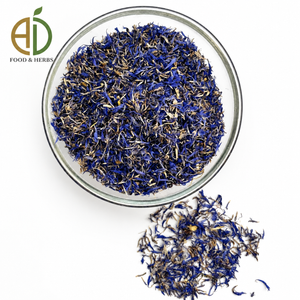
Blue Cornflower Tea comes from the dried petals of Centaurea cyanus, the blue cornflower sometimes called bachelor's button. It's an old-world flower, and its petals have shown up in European herbal traditions for centuries, long before "wellness drink" was a marketing term.
What sets it apart from green or black tea is simple: it has zero caffeine, so there's no real downside to sipping it late at night.
A few things people notice right away:
· A genuinely pale golden-yellow liquor
· A soft, floral flavour
· A faint, earthy undertone
· A decent amount of natural antioxidants
Quick Takeaway: Blue Cornflower Tea is a caffeine-free herbal infusion with natural antioxidants, and it works just as well iced as it does hot.
Why More People Are Reaching for It
Herbal teas in general have had a quiet resurgence, mostly because people are looking for simpler, more natural additions to their day and Blue Cornflower Tea fits that mood well.
A few reasons it keeps coming up:
· It's entirely natural, with nothing artificial added
· The colour alone makes it stand out from a typical cup of tea
· The flavour is light rather than bitter
· Some people find it helps take the edge off a stressful day
· It's genuinely easy to brew, even for beginners
· It blends well with other herbs and flowers
Plenty of people pair it with chamomile, butterfly pea flower, hibiscus, peppermint, or lavender — all premium-grade ingredients available through A D Food & Herbs.
The Benefits of Blue Cornflower Tea, One by One
1. A Natural Source of Antioxidants
This is usually the first thing people mention when they talk about the benefits of Blue Cornflower Tea. Antioxidants exist to counter oxidative stress — the everyday wear and tear caused by free radicals in the body. The research on cornflower specifically is still thin, but the plant compounds it contains are broadly the kind that support general wellness when they're part of a varied diet, not a replacement for one.
· Supports healthy cell function
· Helps counter oxidative damage
· May support healthy ageing over time
· Contributes to general wellbeing
2. A Gentle Nudge Toward Relaxation
By evening, most of us aren't looking for more caffeine — we're looking for the opposite. Blue Cornflower Tea has a naturally mellow character that suits the end of the day. The science on this is anecdotal more than clinical, but plenty of regular drinkers say a warm cup helps them unwind.
It pairs naturally with other wind-down habits:
· Reading before bed
· A short meditation session
· Slow, deliberate breathing
· Light stretching
3. Easier, More Comfortable Digestion
Floral teas after a meal aren't a new idea — herbalists have leaned on them for generations. A cup of Blue Cornflower Tea after lunch or dinner can support comfortable digestion, partly just by adding to your fluid intake and partly because it sits gently on the stomach.
· Better overall hydration
· A calmer digestive process
· Less of that heavy, sluggish feeling after eating
4. No Caffeine, No Compromise
Coffee and standard tea both come with caffeine attached. This one doesn't.
That makes it a fit for:
· Evening drinking, without the sleep disruption
· Anyone actively cutting back on caffeine
· People who don't tolerate coffee well
· Winding down before bed
If you'd rather not give up a warm drink but want to leave caffeine behind, this is a straightforward swap — especially when it's sourced to the quality standards that A D Food & Herbs maintains.
5. One More Way to Stay Hydrated
Hydration touches almost every system in the body, and most of us could do a bit better at it. Since herbal tea is mostly water, it counts toward your daily intake just like plain water does — with more flavour attached.
· Steadier energy through the day
· Better-looking skin
· Smoother digestion
· Normal, unremarkable but important body function
6. A Small Ally for Skin Health
Skin health starts on the inside, not with the products sitting on your bathroom shelf. The antioxidants in edible flowers like cornflower can help offset oxidative stress, which plays a role in how skin ages and repairs itself.
It's one piece of a bigger picture that usually includes:
· A reasonably balanced diet
· Consistent hydration
· Herbal teas like this one
· Enough sleep
· An actual skincare routine
7. Fits Naturally Into a Wellness Routine
No single drink is going to transform your health on its own — that's just not how any of this works. But Blue Cornflower Tea slots easily into a routine that already leans toward mindful hydration and natural ingredients, without asking much of you in return.
· Regular movement or exercise
· Meals that actually nourish you
· Decent sleep
· Some form of stress management
· Staying active day to day
Small, repeatable habits tend to add up more than dramatic ones ever do.
Nutritional Highlights
|
Nutrient |
Potential Benefit |
|
Natural antioxidants |
Helps protect cells |
|
Plant flavonoids |
Supports overall wellness |
|
Caffeine-free |
Suitable any time of day |
|
Natural flower compounds |
Rooted in traditional herbal use |
|
Hydration |
Supports everyday body function |
How to Brew It Properly
There's nothing complicated here — a few minutes and you're done.
What You'll Need
· 1 teaspoon dried blue cornflower petals
· 1 cup hot water
Steps
· Heat water until it's just short of a boil.
· Drop in the dried petals.
· Let it steep for 5–7 minutes.
· Strain out the petals.
· Drink it warm, or let it cool and serve over ice.
Worth adding, if you like:
· Honey
· A squeeze of lemon
· Fresh mint or peppermint
· Chamomile
· Lavender
When's the Best Time to Drink It?
Honestly, there's no wrong time. It depends on what you're after:
|
Time |
Why |
|
Morning |
An easy, caffeine-free start |
|
Afternoon |
A light, refreshing break |
|
After meals |
Supports comfortable digestion |
|
Evening |
A relaxing way to wind down |
Any Side Effects Worth Knowing About?
Most people drink Blue Cornflower Tea without any issue at all, as long as it's kept to reasonable amounts.
That said, a few groups should be a bit more careful, and ideally check with a doctor first:
· Anyone with a known allergy to flower pollen
· Those who are pregnant or breastfeeding
· Anyone on medication that could interact with herbal supplements
· People managing an existing medical condition
If you notice any kind of allergic reaction, stop drinking it right away.
Who Tends to Enjoy This Tea
It's a broad fit, honestly:
· Professionals juggling long days
· Students
· Older adults
· Anyone already into wellness routines
· People cutting back on caffeine
· Herbal tea drinkers in general
It also holds up well as a cold drink once the weather turns warm.
How to Spot Good-Quality Blue Cornflower Tea
Not every supplier's petals are the same, and it shows in the cup.
When you're buying, keep an eye out for:
· A genuinely pale golden-yellow colour
· Food-grade sourcing
· No artificial colouring
· No added preservatives
· Proper airtight packaging
· A supplier you can actually trust
Sourcing from a dependable herbal ingredients supplier makes a real difference to freshness and consistency. A D Food & Herbs works to strict quality standards across a wide product range of premium ingredients, so every batch holds up to the same bar.
Blue Cornflower Tea vs Green Tea
|
Feature |
Blue Cornflower Tea |
Green Tea |
|
Caffeine |
None |
Yes |
|
Flavour |
Mild and floral |
Earthy |
|
Evening use |
Well suited |
Can disrupt sleep for some |
|
Antioxidants |
Yes |
Yes |
|
Colour |
Pale golden-yellow |
Golden to pale yellow/amber |
Neither one beats the other outright — plenty of people happily keep both in rotation.
Getting the Most Out of It
A few practical habits go a long way toward actually feeling the benefits of Blue Cornflower Tea:
· Make it a regular habit, not an occasional one
· Keep it alongside a genuinely healthy diet
· Stay on top of hydration throughout the day
· Go easy on added sugar
· Store the dried petals somewhere cool and dry
Frequently Asked Questions
Is it safe to drink every day?
For most healthy adults, yes, in moderation. If you're on medication or managing a health condition, check with your doctor before making it a daily habit.
Does it contain caffeine?
No — it's naturally caffeine-free, so it works just as well at night as it does in the morning.
What does it actually taste like?
Light and floral, with a faint earthy edge. Most people find it smooth rather than sharp.
Can it help me relax?
Many drinkers use it as part of a wind-down routine. Everyone's experience differs, but the lack of caffeine alone makes it a sensible evening choice.
Can I drink it cold?
Absolutely — it makes a good iced tea. Brew it, let it cool, and add lemon or mint if you'd like.
Final Thoughts
There's more to the benefits of Blue Cornflower Tea than its looks. It's a genuinely caffeine-free option that can support hydration, add antioxidants to your day, and give you a moment of calm — without asking you to overhaul anything. It won't stand in for medical care, but as a daily habit, it's an easy one to keep.
If you're already fond of herbal teas, or just curious to try something new, this is a low-effort way to start.
Want to Try Premium Blue Cornflower Tea?
A D Food & Herbs supplies premium, quality-tested herbal ingredients to wellness brands, retailers, and distributors, backed by a wide product range, dependable private label services, and established export capabilities that reach markets well beyond home.
Reach out to A D Food & Herbs to talk through bulk supply, private label options, or export enquiries — and let's see what a reliable herbal ingredients partner can do for your brand.