Hibiscus Tea Benefits and How to Brew It (Hot & Iced)

Steep dried hibiscus petals in hot water and you get a drink that looks almost too vivid to be natural — a deep, ruby-red infusion with a tart, cranberry-like bite. It's known by different names depending on where you are: karkade in Egypt and Sudan, agua de jamaica in Mexico, sorrel in the Caribbean, bissap in West Africa. Across all of these traditions, hibiscus tea has been part of daily life for centuries, long before anyone studied it in a lab.
These days, general wellness research has taken an interest in hibiscus too, mostly around its antioxidant content. Here's a closer look at what hibiscus tea offers, plus how to brew it and how much is reasonable to drink. This article is for general information only and isn't medical advice — speak to a doctor about any specific health condition.
What Is Hibiscus Tea?
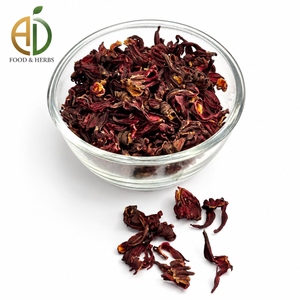
Hibiscus tea is made from the dried calyces (the petal-like structures surrounding the flower's base) of Hibiscus sabdariffa, also called roselle. It's naturally caffeine-free, and its tart flavour comes largely from its high concentration of plant acids and anthocyanins — the same pigments responsible for its striking red colour.
It's worth knowing that this isn't the red hibiscus you often see in Indian gardens and temple offerings. That flower, gudhal (Hibiscus rosa-sinensis), is a different plant. Hibiscus tea is made from roselle, which has the deep red, tart calyces that give the drink its colour and sour, cranberry-like taste. Our dried hibiscus is roselle.

Benefits of Hibiscus Tea
Contains Naturally Occurring Plant Compounds
Hibiscus contains anthocyanins and polyphenols, two classes of naturally occurring plant compounds. These are generally understood to help the body manage everyday oxidative stress. At A D Food & Herbs, our hibiscus petals are dried and packed to preserve these natural compounds, since how a flower is dried affects how much of them actually makes it into your cup.

A Source of Vitamin C
Hibiscus calyces naturally contain vitamin C, a nutrient that's part of a normal, balanced diet. A cup of hibiscus tea is a pleasant, low-effort way to add to your daily intake alongside other dietary sources.
Contains Iron
Hibiscus also provides iron, a mineral that's part of a normal, balanced diet. Since vitamin C can support iron absorption, hibiscus tea's combination of both nutrients in one cup is a reasonably efficient pairing.
A Traditional Ingredient for Everyday Wellness
Hibiscus tea is one of the most researched herbal teas when it comes to general cardiovascular wellness, and it's a regular part of daily routines in many cultures for this reason. As with any ingredient people are curious about for a specific health reason, it's worth discussing with a doctor rather than relying on tea alone — particularly for anyone already taking medication, since combining herbal ingredients with prescription medication should always be checked with a healthcare provider first.

Fits Into a Balanced Lifestyle
Hibiscus tea is naturally low in calories (especially without added sugar) and is often enjoyed by people paying attention to their overall diet, simply as a flavourful alternative to sugary drinks rather than for any specific effect.
Traditionally Enjoyed After Meals
Hibiscus tea has traditionally been used to ease everyday bloating and general digestive discomfort, and has a mild diuretic effect. This is based mainly on traditional use rather than extensive clinical research.
A Long History of Traditional Use
Hibiscus has been part of traditional food and drink culture for centuries across Africa, the Middle East, and the Caribbean, valued as much for its flavour and colour as for its place in everyday routines and hospitality.
Naturally Caffeine-Free
Because hibiscus tea contains no caffeine, it's suitable any time of day, including in the evening. This also makes it a fitting option for anyone reducing caffeine intake generally, without giving up the ritual of a warm cup of tea.
Supports Everyday Hydration
Since it's mostly water, hibiscus tea contributes to daily fluid intake the same way plain water does, just with considerably more flavour — which can make it easier to drink enough fluids throughout the day, especially served cold in hot weather.
How Much Hibiscus Tea Is Reasonable to Drink?
Many people enjoy 2-3 cups a day as part of a normal routine. Hibiscus tea is naturally higher in manganese than some other teas, so it's generally suggested not to make a habit of drinking large quantities (well beyond a few cups) every single day, simply as a matter of moderation rather than any specific concern.
As with most herbal teas, a couple of cups as part of a normal routine is a sensible starting point, rather than treating it as something to maximise.
How to Brew Hibiscus Tea
Hot Brew
Ingredients
- 1½ teaspoons (about 2 g) dried hibiscus
- 200 ml water
Method
- Heat the water until just short of boiling.
- Add the hibiscus and steep for 5-7 minutes.
- Strain, and sweeten with honey if you like.
Cold Brew
Ingredients
- 3 tablespoons (about 10 g) dried hibiscus
- 1 litre cold water
Method
- Add the hibiscus to the water in a jug.
- Refrigerate for 4-8 hours.
- Strain and serve over ice.
Hibiscus pairs well with mint, ginger, cinnamon, or a squeeze of lemon or lime if you want to vary the flavour — our dried hibiscus petals work well hot or cold brewed, so it's worth experimenting to find your favourite version.
Short on time? Stir ½ teaspoon of our hibiscus powder into cold water or juice for an instant ruby-red drink — no steeping or straining needed.

A Few Things Worth Knowing
- If you are pregnant or breastfeeding, it's best to check with a doctor before making hibiscus tea a regular habit.
- If you take any regular prescription medication, check with a doctor or pharmacist before drinking hibiscus tea regularly, since herbal ingredients can sometimes interact with medications.
- Some people notice mild digestive effects (like an upset stomach) if they drink a large amount at once — moderation is generally the simplest approach.
- This article is general information, not medical advice, and isn't a substitute for guidance from a healthcare professional about your own health.
Frequently Asked Questions
Is it fine to drink hibiscus tea every day?
Many people enjoy 2-3 cups a day as part of a normal routine. If you have a specific health condition or take regular medication, it's worth checking with a doctor first.
Is hibiscus tea good to drink before bed?
Since it's naturally caffeine-free, it won't interfere with sleep the way caffeinated teas can, which is why many people enjoy it in the evening.
What does hibiscus tea taste like?
Tart and slightly fruity, often compared to cranberry or pomegranate, with a vivid red colour.
Can hibiscus tea be served cold?
Yes — it's a popular iced tea in many countries, and works well as a refreshing cold drink in hot weather.
Is hibiscus tea the same as gudhal tea?
No. Gudhal (Hibiscus rosa-sinensis) is the common garden hibiscus. Hibiscus tea is made from roselle (Hibiscus sabdariffa), a different plant with a much more tart, deeply red brew.
How much dried hibiscus do I need per cup?
About 1½ teaspoons (around 2 g) per 200 ml cup for a hot brew. Use a little more for a stronger, more sour cup.
Sourcing Quality Hibiscus for Tea
Getting the most out of hibiscus tea starts with properly dried, food-grade hibiscus. A D Food & Herbs supplies FSSAI, MSME, and APEDA-certified food-grade dried hibiscus and other herbal ingredients to retailers, wellness brands, and export buyers, with bulk supply and private label options available. Get in touch to discuss your requirements.
Read More
If you'd like to explore other herbal teas, take a look at our guides on the benefits of blue cornflower tea and the health benefits of herbal tea in general.