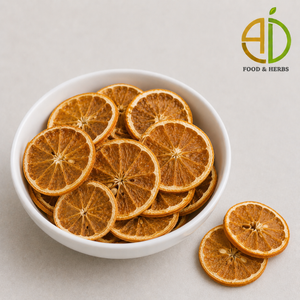
Dried vs Dehydrated vs Freeze-Dried Fruit: What's the Difference?

Walk down any snack aisle and you'll see dried, dehydrated and freeze-dried fruit, often side by side. They sound similar, and they all start the same way: by taking water out of fresh fruit. But the method changes the texture, taste, shelf life and price. This guide explains how each one is made, how they compare, and which to choose for snacking, drinks or baking.

The Short Answer
All three remove water from fruit so it keeps longer. Dried is the broad, everyday term and often means traditional sun- or air-drying. Dehydrated fruit is dried with gentle, controlled warm air. Freeze-dried fruit is frozen first, then has its ice removed under a vacuum, which leaves it very light and crisp. None of these methods adds sugar on its own; that only happens if a manufacturer adds it.
How Each Method Works
Sun-Dried and Air-Dried Fruit
The oldest method. Fruit is laid out in the sun or in open air until most of its water evaporates. Raisins, dried apricots and dried figs are classic examples. It's simple and low-cost, but slower, and it depends on the weather. The result is usually dense and chewy.
Dehydrated Fruit
Dehydrating uses a machine that circulates warm air at a controlled, relatively low temperature. Because heat and airflow are controlled, drying is more even and hygienic than open-air drying. Depending on the fruit, how thinly it's sliced and how long it's dried, dehydrated fruit can be chewy or crisp. This is how our dehydrated fruit slices are made.
Freeze-Dried Fruit
Freeze-drying works differently. The fruit is frozen, then placed in a vacuum chamber where the ice turns straight into vapour without melting first. This removes almost all the moisture and keeps the fruit's shape and colour very close to fresh. The result is very light, crunchy and melts quickly in the mouth. The equipment is expensive, which is why freeze-dried fruit usually costs more.

Dried vs Dehydrated vs Freeze-Dried: Side by Side
| Feature | Sun/Air-Dried | Dehydrated | Freeze-Dried |
|---|---|---|---|
| How it's made | Sun or open air | Controlled warm air | Frozen, then vacuum-dried |
| Texture | Dense, chewy | Chewy to crisp | Very light, crunchy |
| Moisture left | Moderate | Low | Very low |
| Look | Darker, shrunken | Shrunken, colour mostly kept | Shape and colour close to fresh |
| Rehydrates in water | Slowly | Fairly slowly | Quickly |
| Typical price | Lower | Moderate | Higher |
| Works well for | Snacking, cooking, baking | Snacking, tea, mocktails, garnish | Snacking, cereal toppings, powders |
None of these is simply "better" than the others. Each suits different uses, textures and budgets.
Does the Drying Method Change the Sugar?
Not by itself. Every drying method removes water, which concentrates the fruit's natural sugar by weight. A gram of any dried fruit contains more sugar than a gram of fresh fruit, simply because the water is gone. Freeze-dried fruit is especially light, so a small-looking bag can hold a surprising amount of fruit.
What makes the real difference is added sugar. Some brands coat or soak fruit in sugar or syrup before drying, whatever the method. Our guide on whether dried fruit has more sugar than fresh covers this in detail.
Which One Should You Choose?
- For drinks, tea and mocktails: dehydrated slices hold their shape in liquid and look good as a garnish. Try dehydrated orange or lemon slices, and see our guide to using dried orange slices.
- For everyday snacking: any of the three. Choose by the texture you prefer, chewy or crunchy.
- For baking and cooking: sun-dried or dehydrated fruit, which holds up better to heat and moisture.
- For smoothies, batters and natural flavour: fruit powders blend in smoothly. See our dehydrated fruit powders.

How to Read a Dried Fruit Label
- Ingredients: ideally just the fruit's name.
- "No added sugar": look for this exact wording, not vague terms like "natural".
- Preservatives: some dried fruit uses sulphur dioxide to keep its colour. Check if you're sensitive to it.
- Method: "freeze-dried" is usually stated clearly, since it's a selling point. "Dried" on its own could mean any method.
How to Store Dried Fruit
Whatever the method, keep dried fruit in an airtight container in a cool, dry place, away from sunlight. Freeze-dried fruit draws in moisture from the air quickly and turns soft, so reseal it straight after opening.

Frequently Asked Questions
Is dehydrated fruit the same as dried fruit?
Dehydrated fruit is one kind of dried fruit. "Dried" is the broad term; "dehydrated" usually means dried with controlled warm air rather than in the sun.
Is freeze-dried fruit healthier than dehydrated fruit?
Not necessarily. They're made differently and have different textures, but neither is automatically healthier. Added sugar and portion size matter more than the method.
Does freeze-dried fruit have added sugar?
Only if the manufacturer adds it. Check the ingredients list.
Why is freeze-dried fruit more expensive?
Freeze-drying needs specialised vacuum equipment and takes longer, which raises the cost.
Which lasts longest?
Sealed freeze-dried fruit generally keeps longest because it has the least moisture. Once opened, all dried fruit should be kept airtight.
Can dehydrated fruit be used in drinks?
Yes. Dehydrated citrus and tropical slices are popular in tea, infused water and mocktails because they hold their shape.
Can I rehydrate dehydrated fruit?
Yes. Soak it in warm water or juice for 15–30 minutes before using it in baking or cooking.
Choosing Quality Dehydrated Fruit
- One ingredient — just the fruit, with nothing added
- Good colour — very dark or dull fruit can mean over-drying or age
- Even drying — no sticky or damp patches
- Clean processing — hygienic, controlled drying
- Protective packaging — sealed against moisture and light
A D Food & Herbs supplies dehydrated fruit slices and fruit powders with no added sugar, preservatives or oil, for home kitchens, cafés, and food and beverage brands.
Looking for Dehydrated Fruit With No Added Sugar?
Read More
See our guides on added sugar in dried fruit and how to use dried orange slices for drinks, décor and garlands.
🌿 Looking to buy? Dried Orange Slices from Rs. 199.00
Shop now