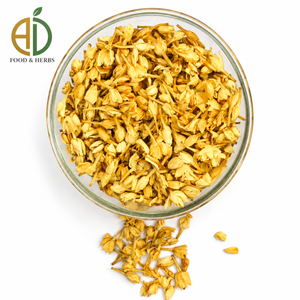
Dried Jasmine Petals (Mogra): Uses, Tea & Hair Care

Dried jasmine petals known in India as mogra or chameli are one of the most fragrant flowers used in Indian hair care, garlands, and tea. This guide covers what dried jasmine petals are, how they differ from the jasmine green tea most people know, their main uses, and how to make jasmine tea.
What Are Dried Jasmine Petals?
Jasmine (most commonly Jasminum sambac, also called Arabian jasmine) is a small, intensely fragrant white flower, known across India by names like mogra, chameli, and juhi. It's one of the most culturally significant flowers in the country used fresh for garlands and hair, and dried for tea, perfume, and skincare. Not all dried flowers sold online are food-grade for tea, always choose food-grade, pesticide-free jasmine, like the ones processed at A D Food & Herbs.

Jasmine is one of several food-grade dried flowers in our range alongside rose, hibiscus, blue cornflower, chamomile, calendula, lavender, saffron, marigold, safflower, and butterfly pea flower — each processed and packed to the same food-safety standard. Browse our full Dried Flowers collection to see all of them.
Is This the Same as Jasmine Green Tea?
Not quite. The "jasmine tea" most people know globally is usually green or oolong tea scented by layering the tea leaves with fresh jasmine blossoms during processing the blossoms are often removed afterward, and the caffeine comes from the tea leaves, not the jasmine. What we sell is different: pure dried jasmine petals, brewed on their own as a naturally caffeine-free floral tisane, sometimes called jasmine flower tea.

What Do Dried Jasmine Petals Taste Like?
On their own, dried jasmine petals have a delicate, sweet, floral flavour much lighter than the jasmine aroma you'd notice from the fresh flower. Because the flavour is subtle, jasmine petals are often blended with green tea or other florals for a fuller cup.
Uses of Dried Jasmine Petals
A Naturally Caffeine-Free Floral Tea
Steeped in hot water, dried jasmine petals make a light, fragrant tea. Our Jasmine Tea Cuts are cut specifically for easy steeping and pair well with green tea for a stronger jasmine character.
A Traditional Ingredient in Hair Care
Jasmine is one of the most traditional botanicals in Indian hair care — infused into oils and used in hair rinses, valued for its fragrance and long association with healthy-looking hair. Jasmine Powder works well for hair mask preparations.
Garlands and Festive Use
Fresh jasmine (mogra) garlands are worn in the hair and used in religious offerings and weddings across India; dried jasmine petals offer a longer-lasting way to bring that same fragrance into potpourri and sachets.
Perfume and Aromatherapy
Jasmine is one of the most valued flowers in perfumery, historically used to make attar and essential oil. Dried petals are used in aromatherapy blends and potpourri for their long-lasting fragrance.
A Traditional Ingredient in Skincare
Jasmine is used in some natural skincare preparations, valued for its fragrance and gentle, traditional topical use.
Potpourri and Craft Projects
Dried jasmine petals retain their fragrance well after drying, making them popular for potpourri, sachets, and decorative crafts.

Are Dried Jasmine Petals Edible?
Yes, food-grade dried jasmine petals are edible and are most commonly used to brew tea. As with any dried flower, only petals specifically processed as food-grade should be used for eating or drinking decorative or craft-grade jasmine is not the same product.
How to Make Jasmine Tea
Ingredients
- 1–2 teaspoons dried jasmine petals
- 1 cup hot water (just short of boiling)
Method
- Heat water until just short of a boil.
- Add the dried petals.
- Cover and steep for 5–7 minutes, then strain.
- Drink warm, or cool and serve over ice.
Optional: blend with green tea leaves for a stronger, more classic jasmine tea character.

How to Store Dried Jasmine Petals
Keep dried jasmine petals in a cool, dry place, away from direct sunlight, and protected from moisture. Store them in a tightly sealed, airtight container to preserve their fragrance and quality for as long as possible.
A Few Things Worth Knowing
- If you're pregnant or breastfeeding, check with a doctor before making jasmine tea a regular habit.
- If you take regular prescription medication, check with a doctor or pharmacist before drinking any herbal tea regularly, since herbal ingredients can sometimes interact with medications.
- For skincare or hair use, patch-test on a small area first, especially if you have sensitive skin.
- This article is general information, not medical advice, and isn't a substitute for guidance from a healthcare professional about your own health.
Frequently Asked Questions
What is mogra or chameli?
Mogra and chameli are common Indian names for jasmine, most often referring to Jasminum sambac, widely used for garlands, hair, and religious offerings.
Is dried jasmine petal tea the same as jasmine green tea?
Not quite jasmine green tea is green tea leaves scented with fresh jasmine blossoms, while dried jasmine petal tea is brewed from the petals alone as a naturally caffeine-free tisane.
Does jasmine tea have caffeine?
Brewed from dried jasmine petals alone, it's naturally caffeine-free. Jasmine-scented green tea does contain caffeine, since it's made from tea leaves.
What do jasmine petals taste like?
Delicate, sweet, and floral milder than the fragrance of the fresh flower.
Are dried jasmine petals edible?
Yes, food-grade jasmine petals are edible and most commonly used for tea.
Is jasmine good for hair?
Jasmine is a traditional ingredient in Indian hair care, commonly infused into oils and used in hair rinses for its fragrance.
What's the difference between jasmine petals and jasmine powder?
Whole petals suit tea and potpourri; jasmine powder blends more evenly into hair masks and skincare preparations.
How should dried jasmine petals be stored?
In a cool, dry place, away from direct sunlight and moisture, in a tightly sealed, airtight container.
Choosing Quality Dried Jasmine Petals
A few things separate good dried jasmine petals from average ones:
- Strong, natural fragrance — a weak or musty smell usually means poor storage or age
- Good colour — soft ivory-white petals; browned or dull petals suggest lower quality
- Food-grade sourcing — grown and processed specifically for consumption, not just fragrance
- Proper drying — evenly dried to preserve fragrance and colour
- Appropriate packaging — sealed to protect against moisture and light, which fade fragrance and colour over time
A D Food & Herbs supplies food-grade dried jasmine petals, jasmine powder, and jasmine tea cuts, processed for tea, hair care, and skincare use.
Looking for Quality Dried Jasmine Petals?
Whether you're shopping for your own kitchen and hair care routine or sourcing for your business, explore our food-grade jasmine petals, powder, and tea cuts — or get in touch for bulk and private label requirements.
Read More
If you'd like to explore other dried flowers, take a look at our guides on dried rose petals, dried chamomile flowers, and dried lavender buds.